I am a small scale Australian Labradoodle Breeder, located in North East Victoria. Burrinjuck Labradoodles is situated approximately three hours from Melbourne. Our Australian Labradoodles are treasured members of our family. My husband and I are devoted to our cherished, Multigenerational Australian Labradoodles. Together, we share the responsibilities involved in training, loving and caring for them.
The Australian Labradoodle puppies that we breed are raised on our lifestyle property. We understand how vitally important the first eight weeks are for the health, well being and social development of your puppy. It is crucial that puppies have multiple opportunities to interact with people from an early age.
We devote many hours of quality interaction time with our puppies. This is how puppies learn about social bonds and develop confidence and trust with people. Our puppies are raised in an optimal environment for mental stimulation and cognitive learning. Puppies have their own playground, filled with play equipment, obstacle courses and novel toys. Your puppy will have the best possible start to life.
Burrinjuck Labradoodles are accredited members of the Responsible Pet Breeders Association.
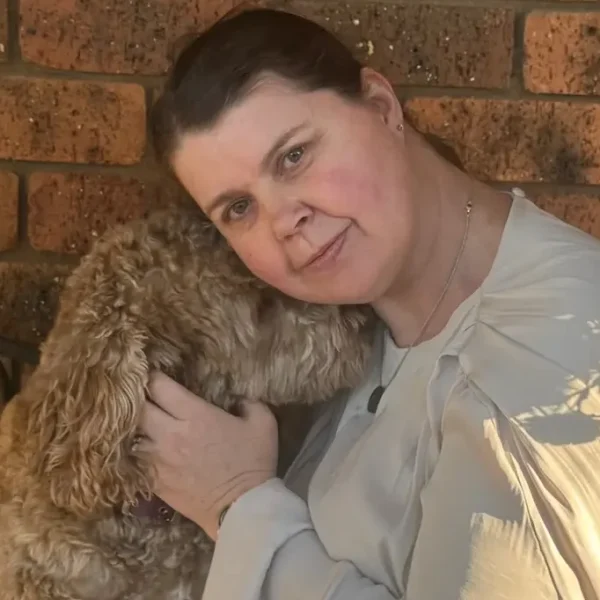
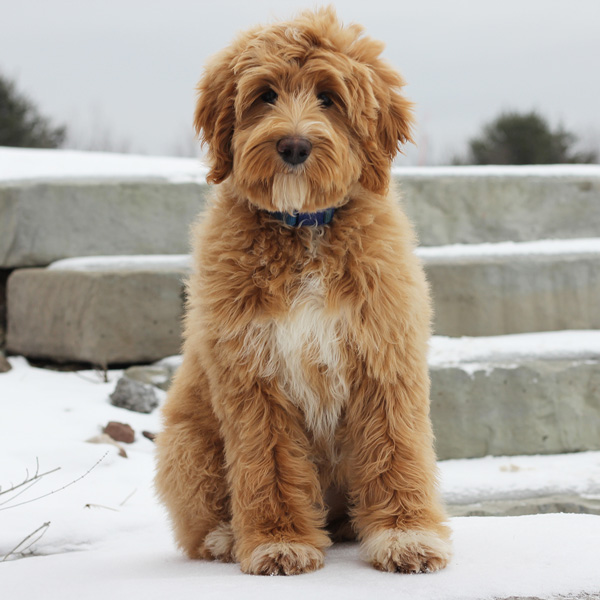
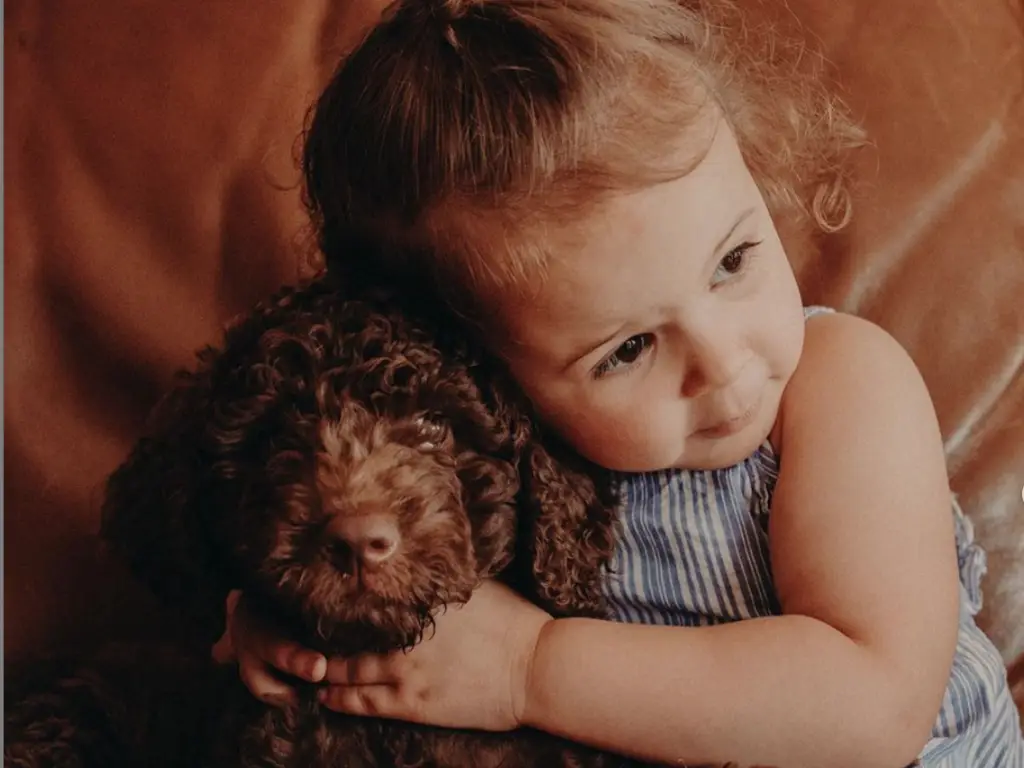

Breeding
There is nothing quite as special as seeing the joy on a person's face when their new puppy is placed into loving arms. Burrinjuck Labradoodles was established in 2005. We have built our breeding program from established lines of multi-generational Australian labradoodles and also introduced new blood lines sourced from overseas and within Australia.

Products
Burrinjuck Boutique offer a wide variety of puppy and dog products. We stock the well-known and well-loved snuggle puppies and the unique Fluff n'Tuff range of dog toys, [exclusive to our store]. Burrinjuck Boutique can supply you with all your puppy needs. Please let us know if we can help you locate anything at all related to your dog or puppy’s needs.
Training
Raising a confident, well adjusted dog does not just happen. Many hours of teaching and relationship building needs to be invested. This may require a shift in priorities and a commitment to training. You will be rewarded with a loyal and trusting companion. Our expert dog trainers can help to set you and your puppy up for success from the beginning.
Guardian Program
A guardian family arrangement is very similar to welcoming a Burrinjuck puppy as your own beloved pet. Guardian Puppies/dogs are owned by you and are cherished members of your family. Our Burrinjuck Labradoodles may be offered, either through a Full Guardianship agreement or a Modified Guardian agreement.

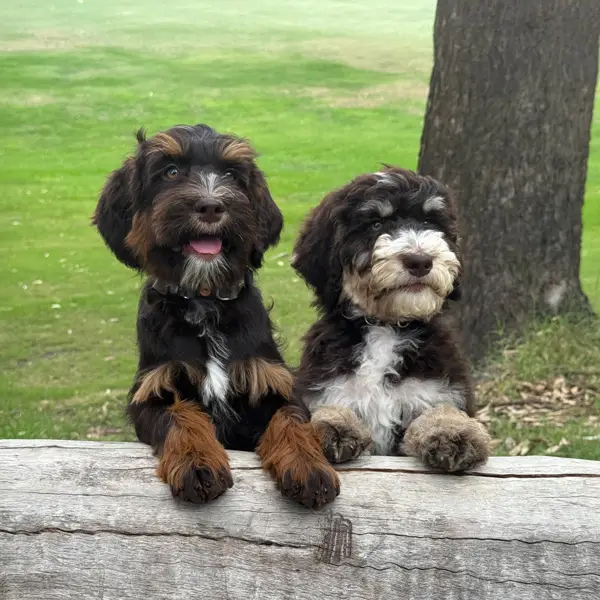
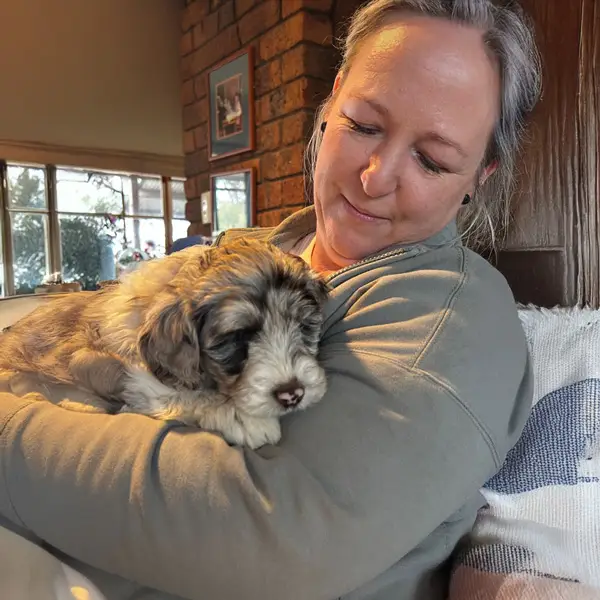
OTIS: (Aria and Le Cadeau's Litter. Born 1st January, 2026). I just wanted to give you an update on little Otis! He is the most charming little man with the sweetest temperament and incredibly smart! He's settled brilliantly into my home and gives me and my parents endless joy. We love him more and more every day and we're so thankful to have the privilege of being his forever family. In the past few months he's started puppy school and graduated with flying colours, gotten his second and third puppy vaccinations, and had his first groom which he did splendidly! He loves the backyard, meeting new people, going on walks, nicking socks, puddles, chasing the hose, nibbling on things and having naps on my lap. We've completely fallen in love with our little eyebrowed-man and couldn't be happier! Thank you so much Katrina! Clare Stevens owner
Clare Stevens
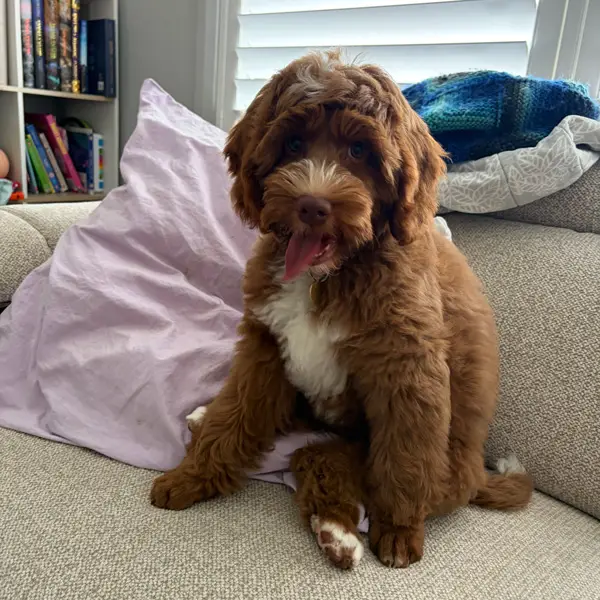
OwnerPIPPA: (Everleigh and Eureka. Born 30th March, 2026). Pippa is going fantastic and is absolutely beautiful! We are a busy family and Pippa fits in like a dream. Pippa has graduated puppy school, completed two grooming sessions, and is growing every day. Running around with the kids, she is mindful of her energy for each child. Pippa accompanied us on a hike recently. It was so lovely seeing her exploring, gaining confidence with different environments and checking in on her two [human] brothers and sister along the way. Stacey Hill Guardian Family
Stacey Hill
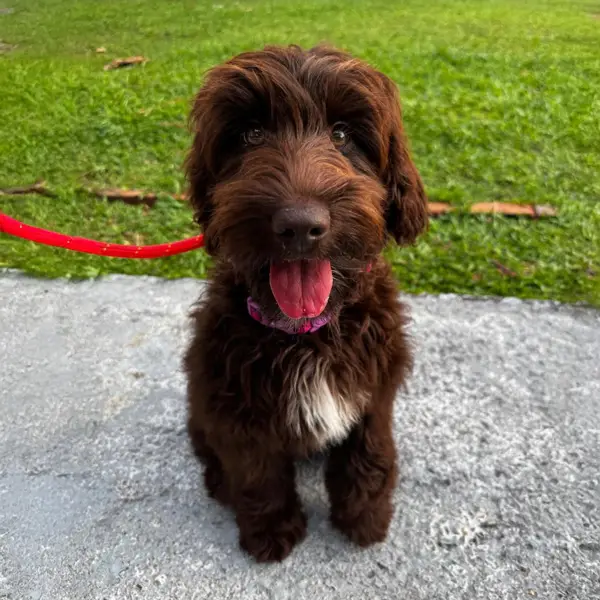
GuardianKOA: (Symphony and Alchemy's Later. Born 26th February, 2026) Koa is a dream dog — it was clear within the first two hours of having her that her Recall and Sit commands are almost mastered! We also discovered this morning that she’s great at playing Fetch! She has the most beautiful temperament that fits perfectly with our existing Doodle. She is very respectful and aware of him and is so emotionally intelligent! She is absolutely Human-focused with such a Happy-Go-Lucky heart. We all are just so in love with her. Her bladder control is also ahead of the curve — no accidents so far and we find that she really communicates well with us with nudges and her gorgeous puppy eyes. I am so Grateful we had her in the Board and Train program. Most of the foundational work is done! It hasn’t even been a day yet, but she has been the easiest addition to our active family! So thankful for her wonderful personality and health, and especially thankful for all the great Training and Care she has clearly benefited from. Sharon international Owner
Sharon Harmer
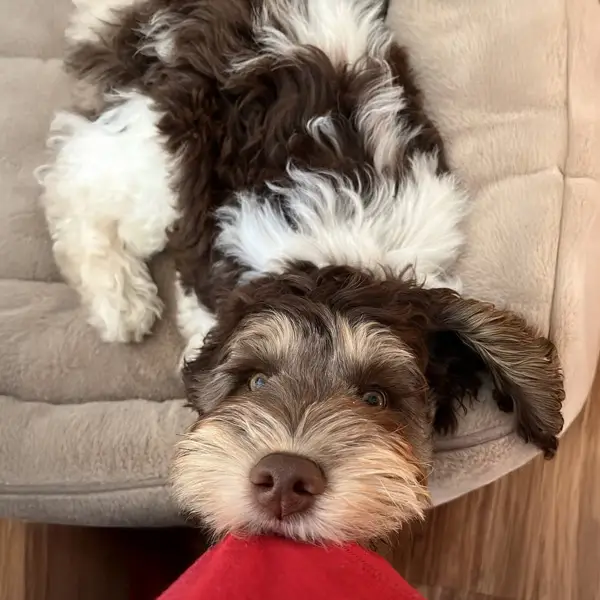
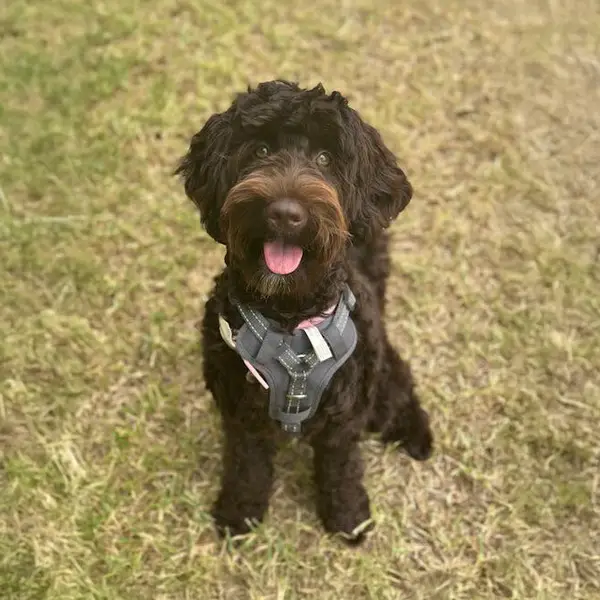
International CustomerPICKLE: (Harmony and Aragon's Litter. Born 17th July, 2025). Pickle is the sweetest smartest little girl. I am amazed how on point you were with your description of her nature as a puppy - she is just as you wrote- an observer and then once she understands a new situation is relaxed and enthusiastic. She adores the 16yos that come and go from our house as well as little kids and adults. She loves playing with dog friends in the park and has great park manners. She is very quick to learn new tricks and is keen to please. Pickle is just divine looking - with rich, soft chocolate locks and pretty face highlights. She is on the smaller size at 13.6kg and we think this is perfect. We really do love her and we are so glad she came into our family. I can wholeheartedly recommend Burrinjuck Labradoodles as breeders who really know their pups and show great care to their dogs and customers. Erin Linley Owner
Erin Linley
Owner
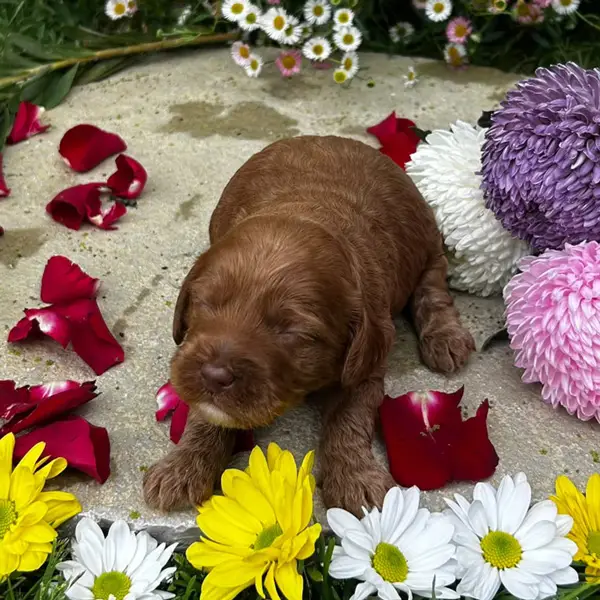
CINDER
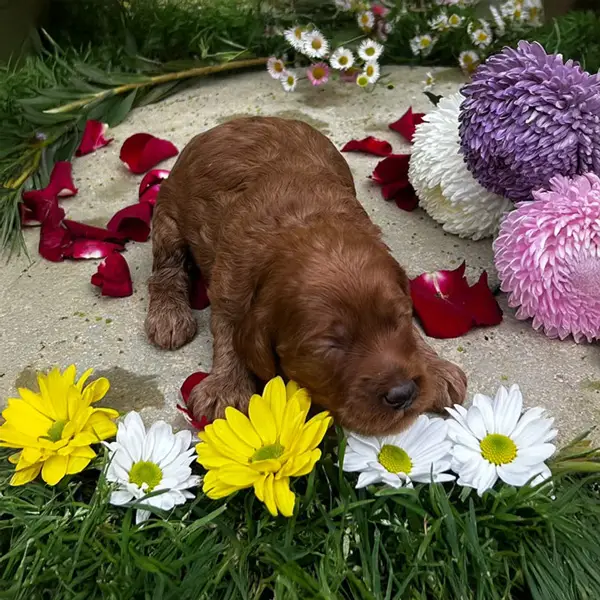
CINNABAR
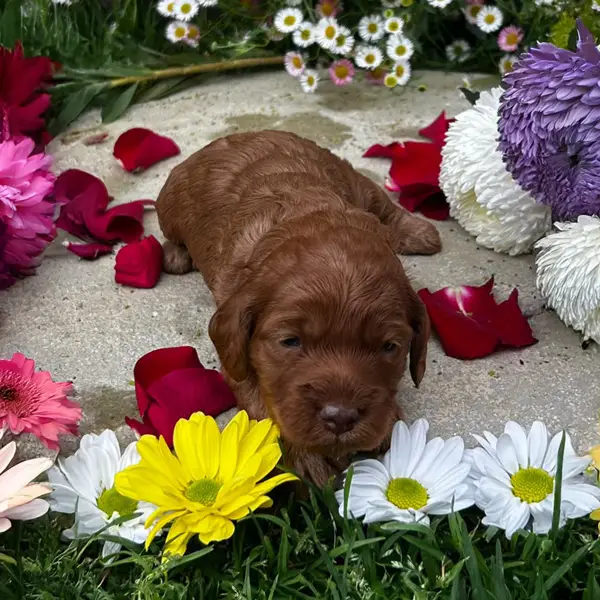
TINDRA
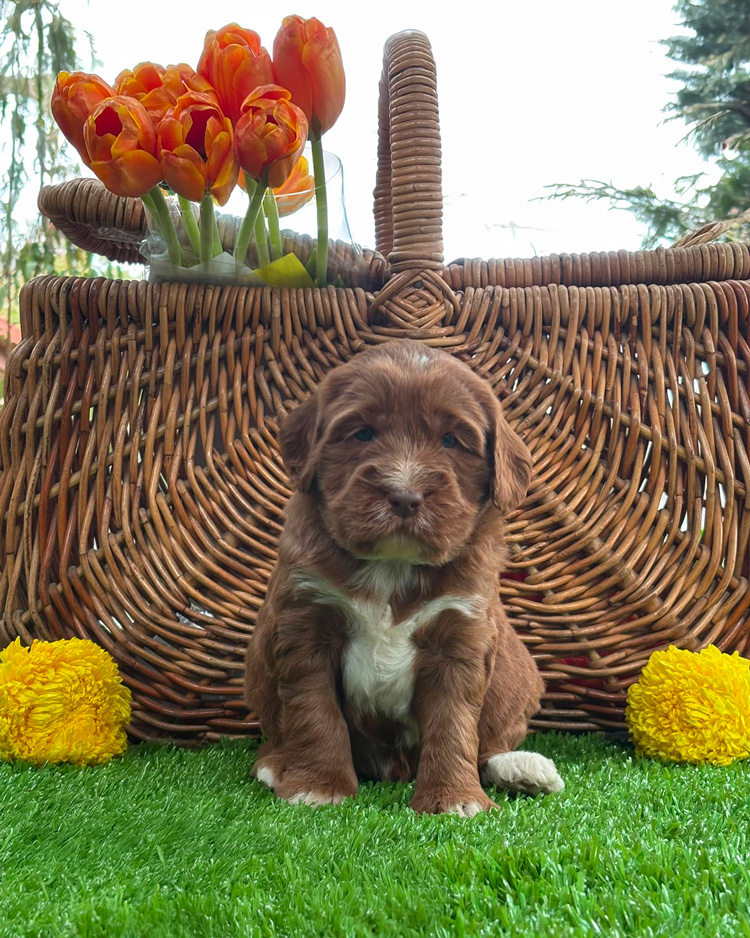
Burrinjuck Guardian Program
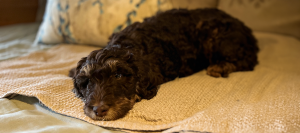
A guardian arrangement is a contract between yourself and Burrinjuck Labradoodles. We may offer our puppies or dogs for sale under a full Guardianship or a modified Guardianship, depending on the needs of our breeding program.
Roan Colouring
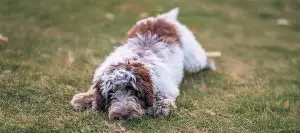
Roan is one of the most striking Australian Labradoodle coat patterns. Learn what it looks like, how it differs from ticking,how to recognise the pattern, understand the genetics and appreciate the beauty of Roan
Heterochromia
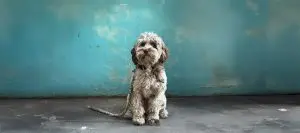
In normal development, puppies are born with their eyelids closed. They begin to open their eyes around the end of the second week of life. Newborn puppies have blue or blue/grey coloured eyes. Eye colour will change gradually …

Your dog ate what?
Our prized breeding girl, Garam Masala was unwell. Lethargy; anorexia; nausea and dehydration were her main symptoms. We had been on a roller coaster of waves of sickness followed by the calm of seeming recovery, for almost a week.
Ditch the Itch
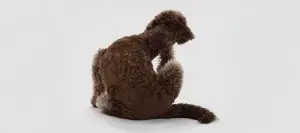
Okay, let me start with the bad news! Labradoodles {like all Oodles breeds} have a predisposition to sensitive skin. Let’s blame those poodle genes. Poodles are commonly listed amongst the most common dog breeds
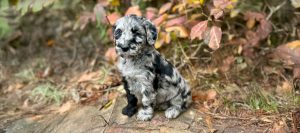
The Merle Gene
The Merle Gene is a genetic variation that affects the pigmentation of a dog’s coat. The Merle gene is actually a genetic mutation that attaches to DNA. Merle affects the colouring of the coat, often giving the coat a dappled or mottled look.
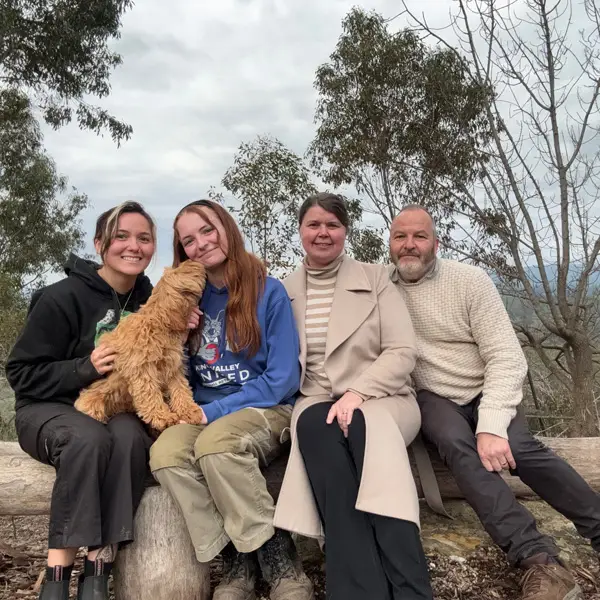
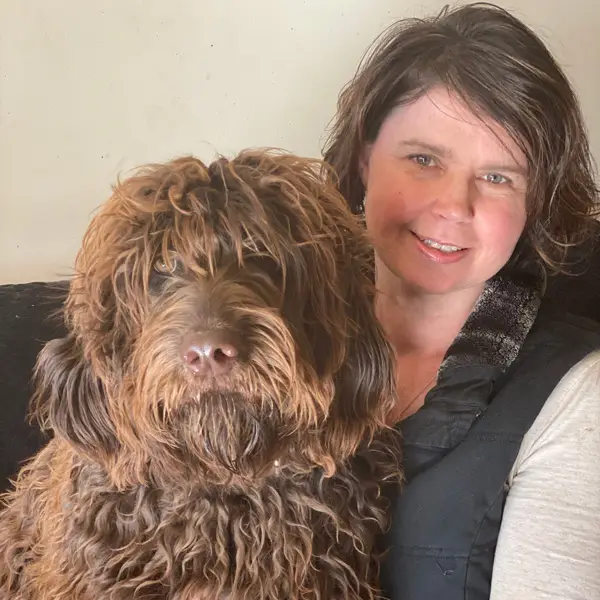
Katrina Ramsay
Pack LeaderKatrina is passionate about her dogs [Some say slightly obsessed]. She is the face behind the social media presence and the person to answer any enquiries. While some people knit or binge watch "Married at first sight", Katrina spends her evenings planning future litters and researching all things "Labradoodle".
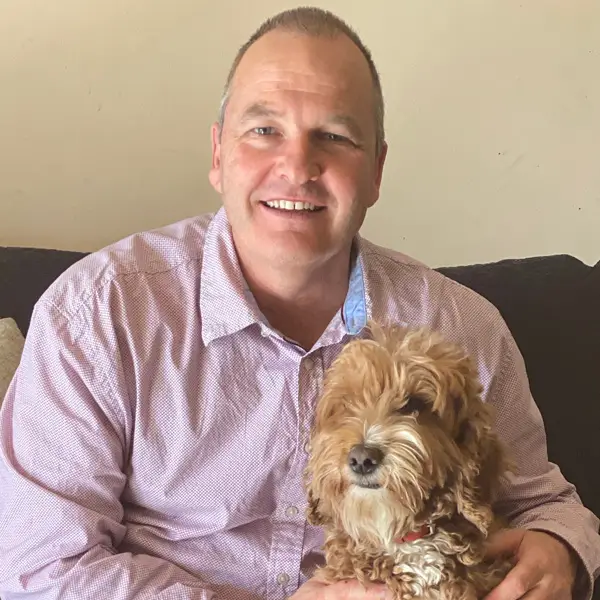
Hamish Ramsay
Jack of All TradesHamish is a 'hands on' kind of guy. He supervises most of the feeding and watering, fencing, cleaning and clipping of the dogs. His weakness is a blazen favouritism towards his beloved dogs. They are exempt from household rules such as "No Dogs on the Bed" and "No giving treats from the table!"
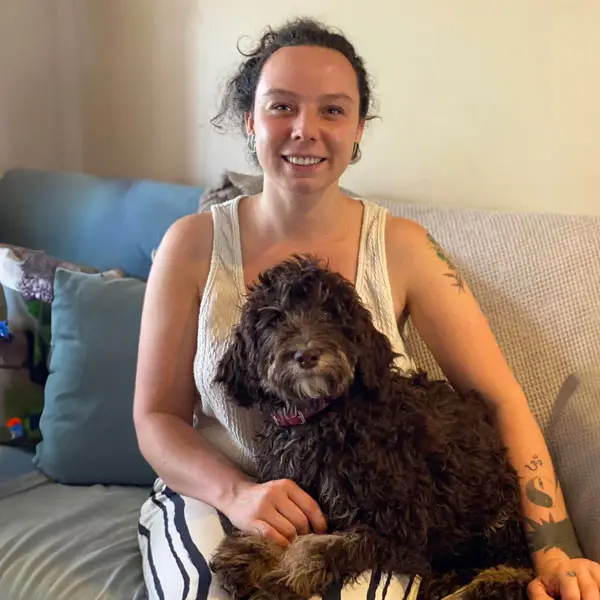
Judith Adaba
Dog Trainer ExtroidinaireJudith works with us to make sure all puppies and dogs at Burrinjuck are living their best life. Judith is a fully qualified dog behaviour expert, using the Educdog methods (Number 1 Training Program in France). All puppy socialisation packages and training options have special input from this very talented lady.
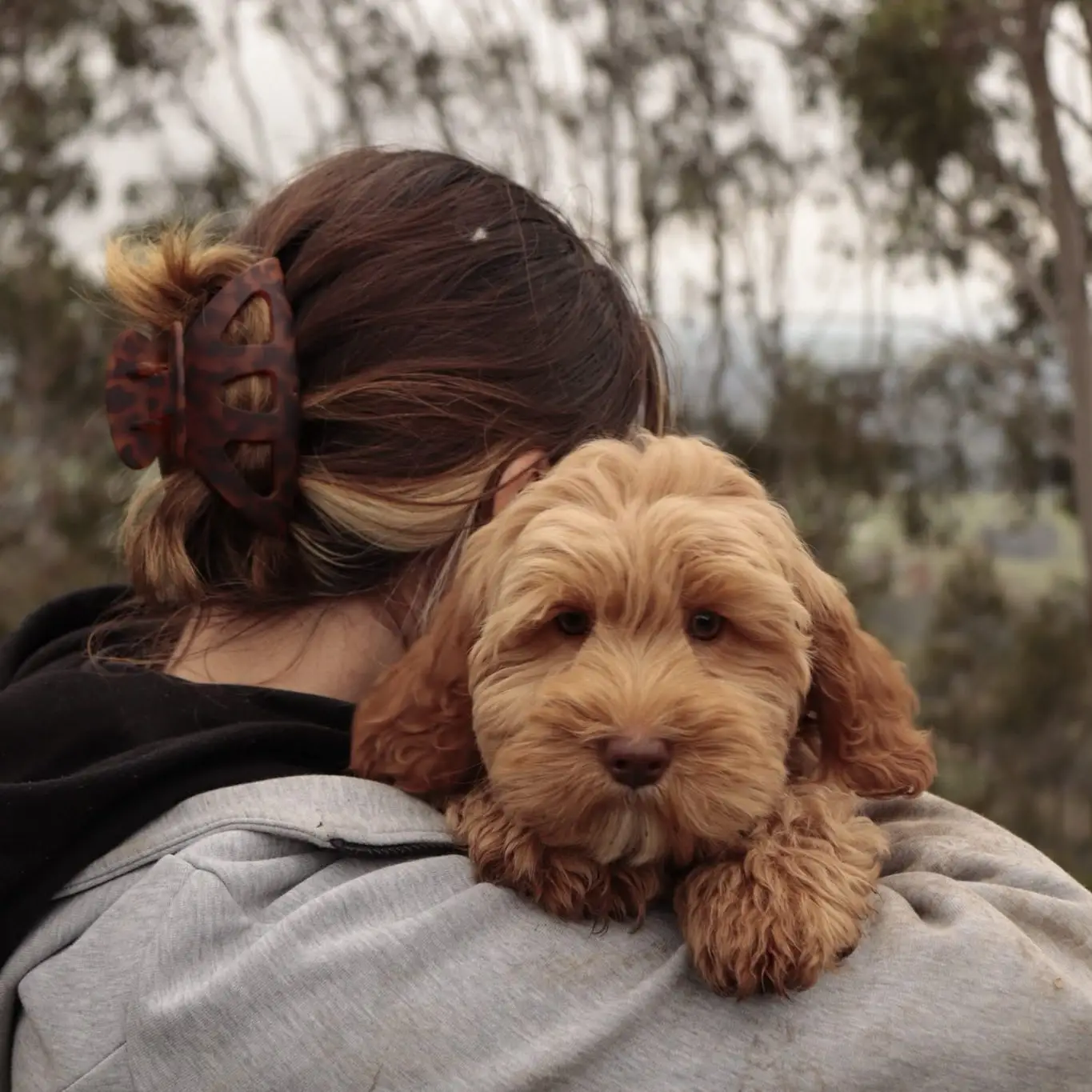
Itinerant Staff
Our Hands and FeetBurrinjuck employ a number of young people, on Working Holiday Visas to lend a hand at Burrinjuck. What a dream job for these young people who live on-site and get to work with our gorgeous Australian Labradoodles every day. The most important job at Burrinjuck is to provide heaps of cuddles and lavish our puppies with love.